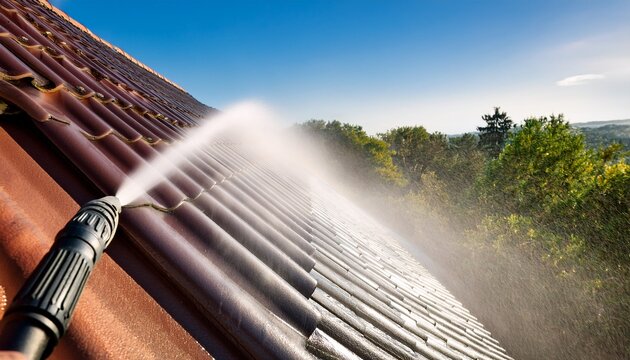
A commercial roof is one of the most important parts of any business property. It protects the building, equipment, employees, and customers from the elements. However, because roofs are rarely visible from ground level, they are often overlooked during routine property maintenance.
Over time, commercial roofs collect dirt, algae, leaves, moss, and other debris. While this buildup may seem harmless, leaving it untreated can contribute to drainage problems, moisture retention, and premature wear on certain roofing materials. These issues can eventually lead to maintenance concerns that are more expensive to address.
Professional commercial roof cleaning helps property owners maintain cleaner roofing surfaces, identify potential problems, and keep their buildings in better condition.
For businesses throughout the Dallas-Fort Worth Metroplex, O.N. Point Pressure Washing Dallas provides commercial roof cleaning services designed to address exterior buildup while considering the needs of different roofing materials.
Commercial buildings are exposed to changing weather conditions throughout the year. In North Texas, strong sunlight, heavy rain, wind, and seasonal storms can all affect the condition of exterior surfaces.
Unlike residential roofs, many commercial roofing systems have large surface areas, low slopes, and drainage systems that require regular attention.
These characteristics can make it easier for dirt, leaves, and organic debris to accumulate in certain areas.
Common sources of roof buildup include:
When these materials remain on a roof for extended periods, they can interfere with drainage or conceal developing maintenance problems.
Professional roof cleaning helps remove appropriate surface contaminants and supports a more consistent maintenance routine.
Proper drainage is essential for commercial roofing systems, particularly those with flat or low-slope designs.
When leaves, dirt, and other debris accumulate near drains, gutters, and scuppers, rainwater may not flow away as efficiently as intended.
Poor drainage can contribute to standing water, sometimes called ponding water.
Depending on the roofing system, prolonged standing water may increase the risk of:
Routine roof cleaning helps keep accessible drainage areas free from surface debris.
However, cleaning alone cannot correct structural drainage problems. If water continues collecting after rainfall, a qualified roofing contractor should inspect the system.
Addressing drainage concerns early is generally easier than dealing with water damage after it reaches the building's interior.
Algae and other organic growth can develop on commercial roofing surfaces, especially in areas that remain shaded or damp.
These contaminants may appear as dark streaks, green patches, or uneven discoloration.
Although not every stain indicates structural damage, persistent organic growth can make a roof look neglected and may contribute to moisture retention on some materials.
Professional commercial roof cleaning can help remove suitable types of organic buildup without relying on unnecessarily aggressive washing methods.
The cleaning approach should always account for the roof's material, age, condition, and manufacturer requirements.
For property managers, controlling visible buildup is also an important part of maintaining the building's overall appearance.
One often-overlooked benefit of maintaining a clean roof is improved visibility.
Thick layers of debris can conceal areas that deserve closer attention.
Once appropriate buildup is removed, certain visible concerns may become easier to notice, including:
Roof cleaning is not a replacement for a professional roofing inspection. However, keeping surfaces accessible and reasonably clean can make routine inspections more effective.
A qualified roofing contractor can then evaluate any suspected defects and recommend repairs when necessary.
Finding a developing problem before it causes extensive damage can help businesses avoid larger disruptions and unexpected expenses.
Commercial roofs are built using different materials, each with specific maintenance requirements.
Common commercial roofing systems include TPO, PVC, EPDM, modified bitumen, metal, and built-up roofing.
These materials do not all respond to cleaning in the same way.
For example, high-pressure washing may damage certain roof membranes, loosen seams, or force water into vulnerable areas.
Some systems require approved cleaning products, low-pressure rinsing, or other specialized methods.
This is why commercial roof cleaning should never be treated as a one-size-fits-all service.
A professional cleaning team should evaluate the roofing surface and follow applicable manufacturer guidance before beginning work.
Proper cleaning can help maintain surface condition without introducing avoidable damage.
Commercial building maintenance becomes more difficult when minor issues go unnoticed.
A blocked drain, for example, may seem like a small concern. However, if it contributes to water accumulation, the resulting problem could require additional inspections or repairs.
Similarly, excessive debris can make it harder for maintenance personnel to assess the roof's condition.
Regular cleaning helps property owners stay ahead of these concerns.
Rather than waiting until visible staining or debris becomes severe, businesses can incorporate appropriate roof cleaning into a broader preventive maintenance plan.
This approach may help reduce avoidable cleanup expenses and improve the efficiency of routine inspections.
It is important to remember that roof cleaning cannot prevent every roofing problem. Normal aging, severe weather, installation defects, and material failures still require professional evaluation.
The goal is to manage preventable buildup before it becomes another source of concern.
A building's exterior influences how customers, tenants, and visitors perceive the property.
Although many commercial roofs are not easily visible from street level, they can often be seen from neighboring buildings, elevated parking areas, or upper-floor windows.
A roof covered in dirt, dark stains, or organic growth may affect the appearance of an otherwise well-maintained property.
Commercial roof cleaning helps create a cleaner, more professional-looking exterior.
This can be especially valuable for:
Maintaining the roof alongside exterior walls, windows, sidewalks, and parking areas helps create a more consistent appearance throughout the property.
Commercial property maintenance works best when individual services are part of a coordinated plan.
Roof cleaning is one component of that plan.
Property owners and facility managers should also consider regular roof inspections, drainage checks, and timely repairs.
A practical maintenance approach may include checking for debris after storms, inspecting drainage areas, and scheduling cleaning when buildup becomes noticeable.
Keeping records of inspections and completed maintenance can also help property managers track recurring concerns.
For businesses managing multiple buildings, these records provide useful information when planning maintenance budgets and scheduling future services.
A consistent approach reduces the likelihood that roof care will be forgotten until a problem becomes obvious.
There is no universal cleaning schedule that works for every commercial building.
The appropriate frequency depends on several factors, including:
Roofing material: Different roof systems have different cleaning and maintenance requirements.
Nearby trees: Buildings surrounded by trees may experience heavier leaf and branch accumulation.
Weather exposure: Strong winds and storms can deposit additional debris on rooftops.
Building location: Properties near construction sites or busy roads may experience more airborne dust.
Drainage design: Low-slope roofs and areas around drains may require closer monitoring.
Manufacturer recommendations: Some roofing systems have specific cleaning instructions that should be followed.
Many commercial roofs benefit from professional inspections at least twice a year, often in spring and fall, with additional checks after significant storms. Cleaning should be scheduled according to the roof's actual condition rather than automatically performed at every inspection.
A qualified roofing professional can help determine an appropriate inspection and maintenance schedule.
Commercial roof cleaning requires more than a pressure washer and a cleaning solution.
Working at height introduces serious safety risks, and commercial roofs may contain skylights, rooftop equipment, electrical components, and areas that cannot safely support foot traffic.
Using incorrect cleaning methods can also damage roofing materials.
Potential problems include:
Professional cleaning providers should evaluate site access, roof conditions, safety requirements, and the appropriate cleaning method before beginning.
Property managers should also confirm that the proposed cleaning process is compatible with the roof manufacturer's maintenance requirements and any applicable warranty conditions.
A clean roof is only one part of a well-maintained commercial property.
Businesses can improve their overall exterior appearance by addressing other surfaces that experience regular dirt and debris buildup.
O.N. Point Pressure Washing Dallas offers several commercial exterior services, including:
Coordinating these services can help property managers maintain a cleaner and more welcoming environment for employees, customers, and tenants.
Commercial exterior cleaning requires an understanding of different surfaces, cleaning methods, and property maintenance needs.
At O.N. Point Pressure Washing Dallas, the focus is on providing dependable exterior cleaning solutions for businesses throughout the Dallas-Fort Worth Metroplex.
The company offers commercial roof cleaning along with a range of services designed to help property owners maintain their buildings and surrounding areas.
Whether you manage a retail property, office building, or another commercial facility, discussing your roof's condition and maintenance needs with a professional cleaning team is a useful first step.
A suitable cleaning plan should consider the type of roof, the amount of buildup, accessibility, and any material-specific restrictions.
Commercial roof cleaning is an important part of maintaining a business property. Removing accumulated dirt, debris, and organic growth can help support drainage, improve visibility during inspections, and keep roofing surfaces looking better.
Although cleaning cannot replace roof repairs or inspections, it can play a valuable role in a preventive maintenance strategy.
For commercial property owners in Dallas-Fort Worth, staying proactive about roof maintenance is a practical way to reduce avoidable problems and protect the condition of their buildings.